
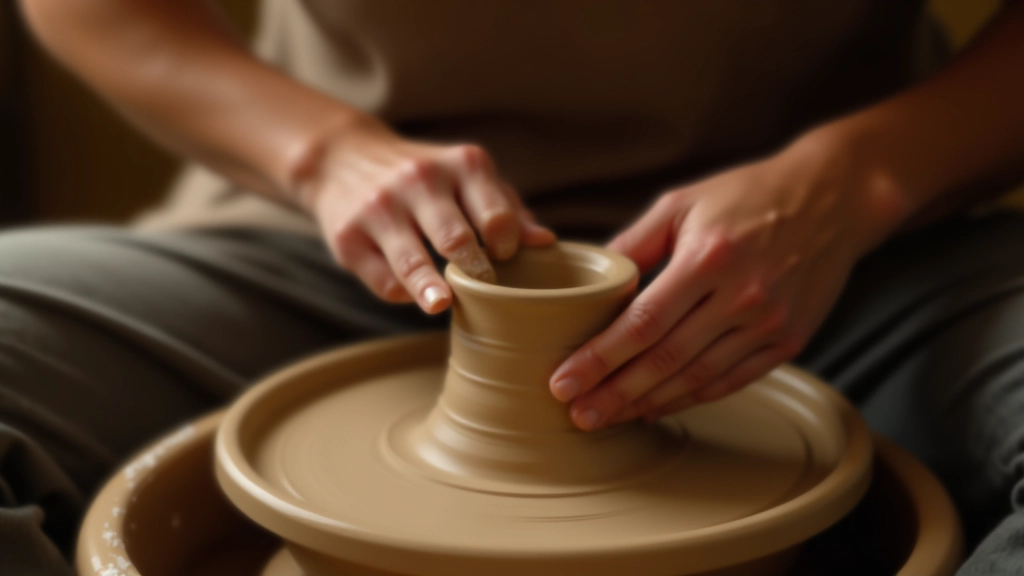

Starting pottery isn't as intimidating as it looks. Whether you're drawn to the meditative rhythm of the wheel or the creative freedom of hand-building, Vilnius has studios that'll meet you exactly where you are. We've gathered everything you need to know — from finding the right class to what to wear on day one.
The clay doesn't judge. Mistakes become features. And after your first class, you'll understand why people keep coming back.
Finding Studios and Programs in Vilnius
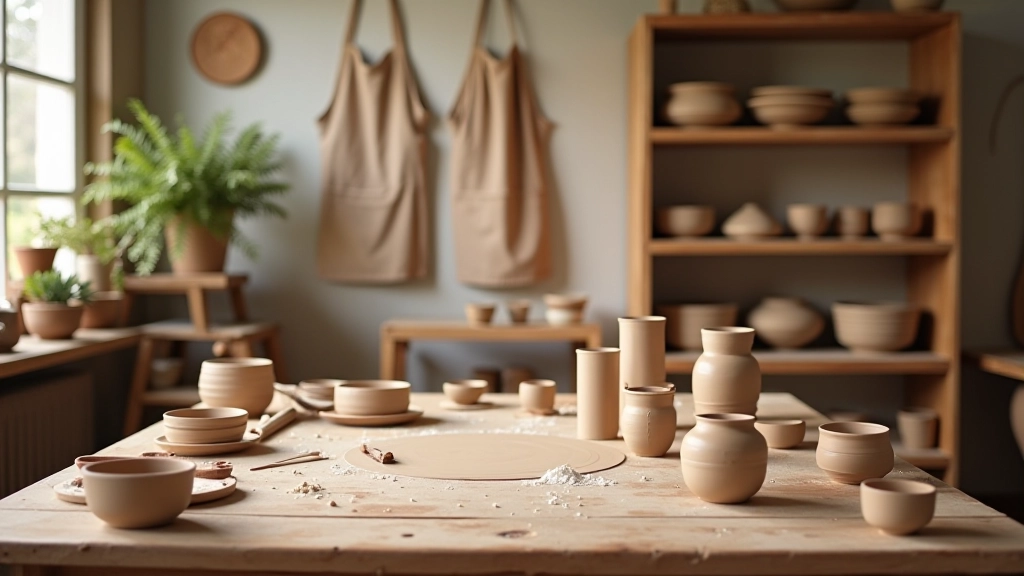
Vilnius has more pottery studios than most people realize. The city's creative scene has grown significantly over the past five years, and that's good news for beginners. You've got options ranging from small independent studios to larger cultural centers.
Most beginner classes run for 8-10 weeks, meeting once or twice per week. Sessions typically last 90 minutes — long enough to actually accomplish something, short enough that you're not exhausted. The cost varies, but expect to pay around 50-80 euros per month for regular classes. Some studios offer introductory sessions at reduced rates so you can try before committing.
What to Look For
- Small class sizes (maximum 8-10 people) so instructors can give you individual feedback
- Equipment that's well-maintained — wheels should spin smoothly, clay shouldn't be dried out
- Flexible scheduling with morning, afternoon, and evening slots
- A kiln on-site or clear arrangement for firing your finished pieces
Educational Information
This guide provides informational content about pottery classes and studios in Vilnius. Specific class availability, pricing, schedules, and instructor qualifications vary by studio and change over time. We recommend contacting studios directly to confirm current offerings, visit their facilities, and verify that programs match your skill level and schedule. Circumstances vary widely between different studios and instructors.
Your First Class: What Actually Happens
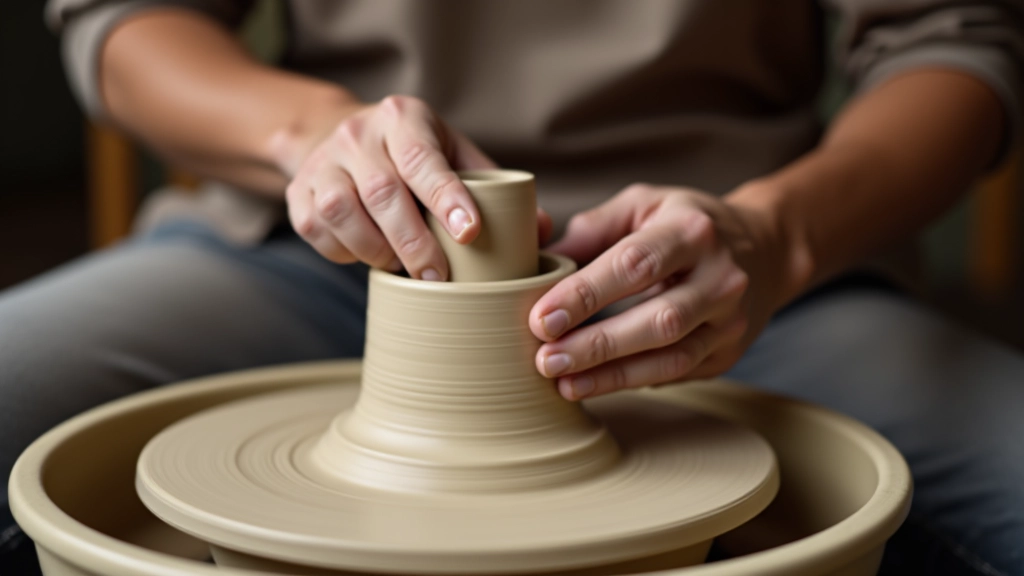
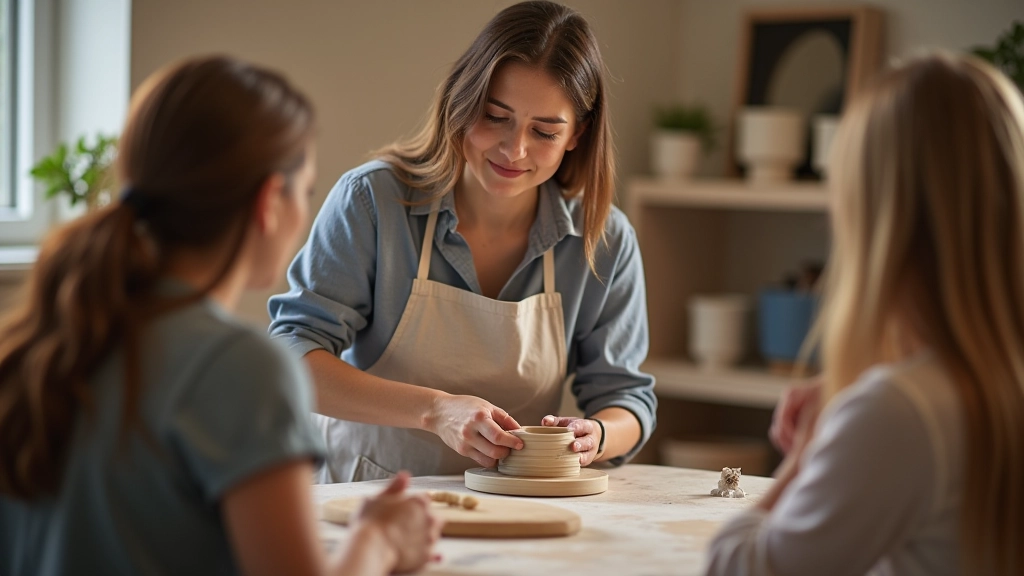
Walk in expecting to feel lost. That's normal. Every studio runs introductions slightly differently, but here's the general flow. You'll meet your instructor, get assigned a wheel or workspace, and usually start with some hand-building techniques. Most instructors don't throw you at a wheel immediately — you'll learn basic hand techniques first, which builds confidence and muscle memory.
The first 15-20 minutes is usually explanation and demonstration. Then it's your turn. Your hands will feel clumsy. Your clay will collapse. You might accidentally splash water everywhere. This is universal. Everyone around you remembers their first class and won't judge.
Practical Tips for Day One
Wear clothes you don't mind getting clay on — it washes out but stains are possible. Bring a water bottle. Tie back long hair. Remove jewelry that might snag. You'll get an apron, but bringing your own means you're prepared if it gets left in the washing machine.
Related Articles on Hobbies in Vilnius


Building Your Skills Beyond the First Class
After that first class, you'll either be completely hooked or you'll need a second one to decide. Most people get hooked faster than expected. There's something about working with clay that keeps people coming back. It's meditative. It's creative. It's tangible — you make something and it exists.
By week three or four, you'll start seeing real progress. Your hands will remember the movements. Your clay won't collapse as often. You might throw a small bowl that doesn't completely fall apart. These small victories matter. They keep you motivated.
What Happens After the Introductory Course
Most studios offer intermediate classes for people who've completed beginner courses. Some offer drop-in sessions where you can come whenever you want without committing to a full course. A few have open studio time where you pay per visit. This flexibility is important because life gets busy — you'll want options that fit your schedule, not a rigid 10-week commitment every time.
Investment and Commitment
Let's be honest about the practical side. A beginner course costs money. Equipment can get expensive if you decide to set up a home studio. Time commitment is real — even a single class per week adds up to 90 minutes plus travel time. But here's what makes it worth it: you're investing in something you'll use for years. People who start pottery in their 20s are still making pieces in their 60s and 70s.
The community aspect is underrated too. You'll meet other people who care about making things. You'll see their progress. You'll help each other troubleshoot problems. Some friendships start in pottery studios because you're doing something creative together, not just making small talk.
The real cost of pottery isn't the class fees — it's the shelf space you'll need for all the pieces you make.
Getting Started Today
You don't need experience. You don't need talent. You don't need to know what you're doing. What you need is curiosity and a willingness to get your hands dirty — literally. Vilnius has excellent studios with patient instructors who've taught hundreds of beginners exactly how to center clay and shape their first bowl.
Search for pottery studios in your neighborhood, call or visit a few, ask questions about beginner classes, and pick one that feels right. Then show up on the first day ready to be a beginner. Everyone in that room remembers being exactly where you are. And in a few weeks, you'll have a finished piece that you made with your own hands.
That's the real magic of pottery — not the finished pieces, though those are nice. It's the quiet confidence that comes from learning something with your hands. It's the meditative flow state. It's the community. Start small. Start simple. Start now.
Explore More Hobbies in Lithuania