
Lithuania's craft tradition runs deep. From the ancient amber-working techniques passed down through generations to the contemporary ceramic studios thriving in Vilnius and beyond, there's something magical about learning these skills hands-on. We're talking about workshops where you'll sit with experienced artisans, get your hands dirty (literally), and walk away with pieces you've actually created yourself.
The Amber Story: More Than Just a Stone
Amber isn't just a gemstone in Lithuania—it's part of the national identity. When you join an amber jewelry workshop, you're tapping into a craft that's been refined over centuries. The Baltic region produces some of the world's finest amber, and local artisans have mastered techniques that transform raw stones into wearable art.
What You'll Actually Learn
Most workshops start with the basics—understanding different amber grades and colors. You'll learn how to identify authentic Baltic amber (spoiler: it's heavier than you'd expect and warm to the touch). Then comes the hands-on part: cutting, shaping, and polishing raw amber into cabochons or beads. Advanced sessions cover wire wrapping, setting stones in silver, and designing custom pieces. Depending on the workshop, you might complete 2-3 finished pieces in a single session.
The workshops we've encountered in Vilnius and Kaunas typically run 3-4 hours, which is the sweet spot—long enough to get meaningful results, short enough that your hands don't completely give out. You'll use traditional tools alongside some modern equipment, and the instructors really do explain the "why" behind each step.

Ceramics: From Clay to Coffee Mugs
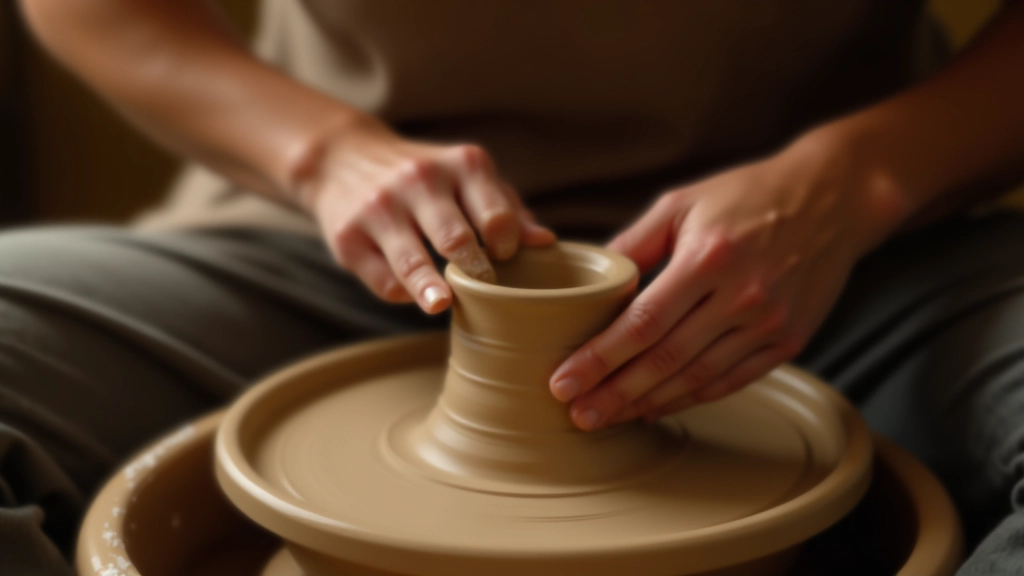
If you've ever wondered what clay feels like on a pottery wheel, ceramic workshops across Lithuania offer a completely different vibe. These aren't pretentious art studios—they're places where beginners learn alongside experienced potters, and nobody judges your lopsided first bowl.
Hand-Building vs. Wheel Work
Here's the thing about ceramics—you don't need to master the wheel to make beautiful pieces. Hand-building techniques like pinch pots, coil construction, and slab work are actually where most beginners start. They're more forgiving, and honestly, some of the most interesting pieces come from these methods. You can create functional bowls, decorative tiles, or sculptural forms without ever touching a pottery wheel.
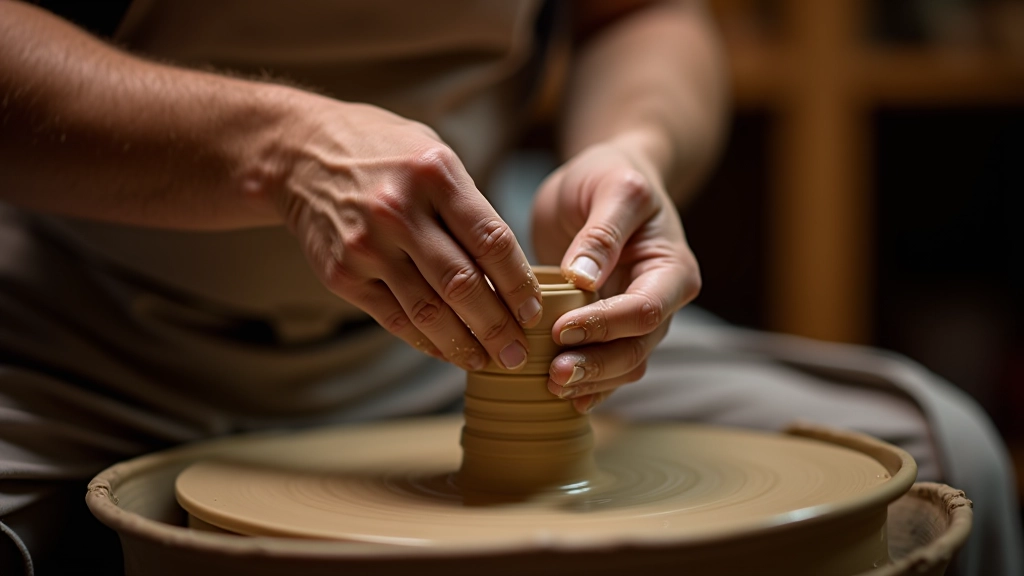
The wheel? That's the intimidating part people always ask about. But workshops break it down into manageable steps. You'll practice centering clay (the hardest part), learn to open the form, and develop a feel for the spinning clay. It's less about perfection and more about understanding how clay responds to pressure and speed.
Pro Tip: The Glaze Part Matters
Many beginners focus so much on throwing the pot that they neglect glazing. But here's the reality—glazing is where your piece either looks amazing or... well, not. Most workshops include basic glaze selection in beginner classes, but if you're serious about ceramics, consider a follow-up session focused specifically on glazing techniques and color mixing. It'll transform your work.
Finding the Right Workshop for You
Not all craft workshops are created equal. We've visited dozens across Lithuania, and here's what separates the good ones from the rest.
Group Sessions vs. Private Lessons
Group workshops are fantastic for energy and community—you're learning alongside 4-6 other people, sharing tips, and honestly, it's fun. Private lessons cost more but give you undivided instructor attention. Most beginners prefer group sessions to start, then maybe book a private session later for specific techniques.
Workshop Duration Matters
A 2-hour intro session gives you a taste but won't produce finished work. The sweet spot? 3-4 hour sessions for amber work, 2-3 hours for hand-building ceramics. Wheel-throwing needs at least 4 hours if you want to actually create something you'll keep.
Materials Included vs. Extra Costs
Most amber workshops include materials in the price. Ceramic studios vary—some include clay and glazing, others charge separately. Ask upfront what's included and whether you can take your finished pieces home (you should always be able to).