
Why Žuvintas Is Perfect for Starting Out
Žuvintas Biosphere Reserve sits in southeastern Lithuania, about 90 kilometers from Vilnius. It's one of the oldest nature reserves in Europe — established back in 1937 — and it's the ideal place to start birdwatching if you're completely new to the hobby.
You'll find over 200 bird species here across the year. That's not overwhelming at all. In fact, you'll probably encounter the same 30-40 species regularly, which makes learning much easier. The landscape is varied too — shallow lakes, marshes, pine forests, and meadows. This diversity means you're not staring at one type of terrain all day.
The reserve has designated walking trails, observation platforms, and facilities built specifically for visitors. No scrambling through dense brush or trespassing. You're welcome here, and they've made it comfortable for people like you who are just beginning.
Getting Started: What You Actually Need
Here's the thing about birdwatching — you don't need expensive gear to start. Most beginners overthink this part. A decent pair of binoculars will change everything, but you don't need to spend hundreds of euros right away.
Essential Equipment
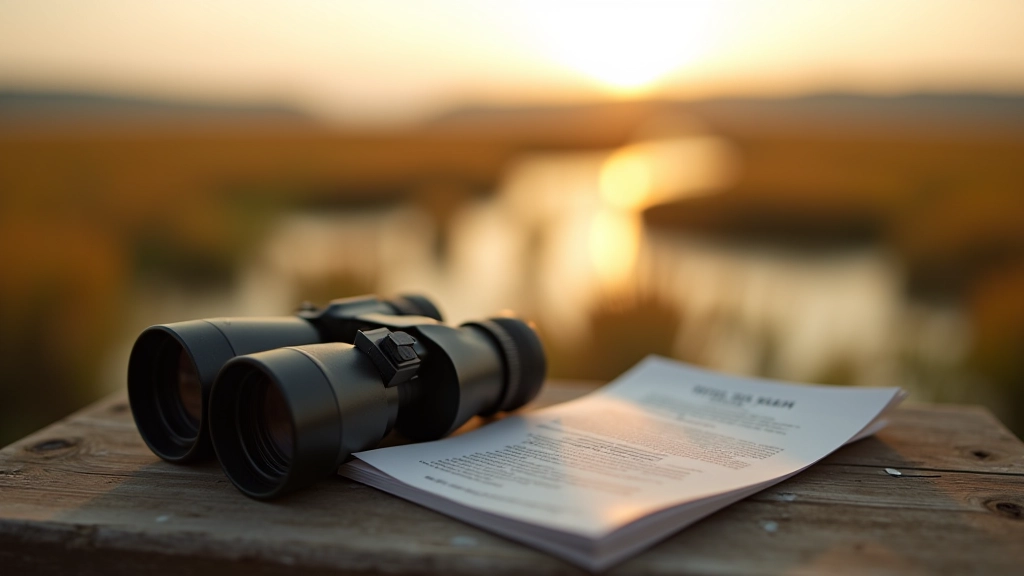
- Binoculars (8x42 magnification): This is your main tool. You'll be looking through them constantly. Mid-range binoculars (€100-250) will serve you perfectly well. Don't cheap out here, but don't obsess over premium brands either.
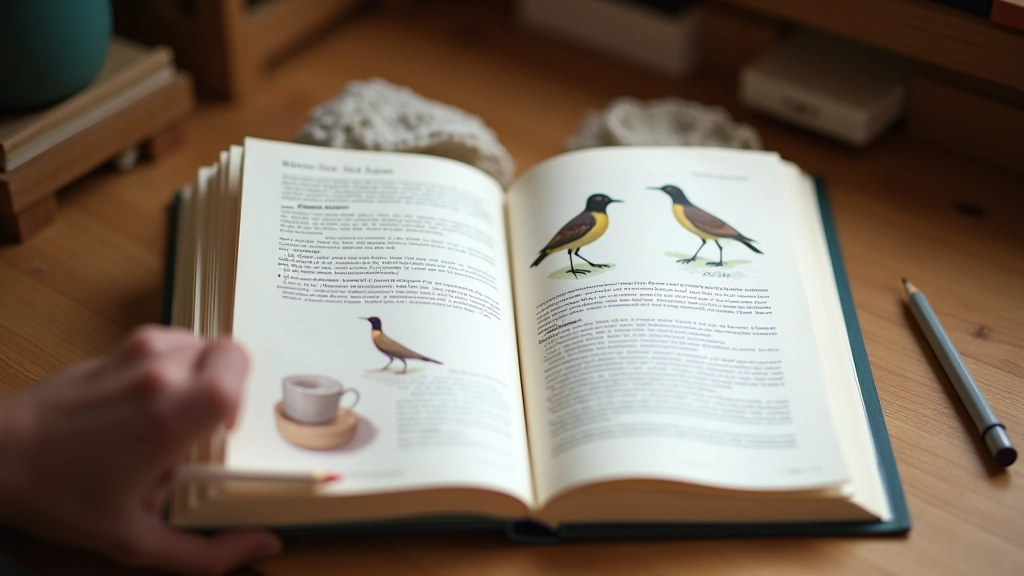
- Field guide: A pocket-sized bird identification book specific to Eastern Europe. "Birds of Lithuania and Baltic States" is solid. You can also use a smartphone app like Merlin Bird ID — it's free and actually quite good.
- Notebook and pencil: Jot down what you see — the date, time, location, weather, bird descriptions. This habit builds your memory and helps you learn faster.
- Comfortable clothing: Layers matter. Mornings at Žuvintas can be cool even in summer. Wear neutral colors — browns, greens, grays — nothing bright. Birds notice movement and contrast.
- Weather-appropriate gear: A light rain jacket, sturdy walking shoes, and sunscreen. You'll be outside for hours.

Important Information
This guide is for educational purposes and provides general information about birdwatching at Žuvintas Biosphere Reserve. Bird identification can vary based on season, weather, and individual variations within species. Always respect wildlife by maintaining safe distances and following reserve guidelines. Check the reserve's official website for current access information, guided tours, and any seasonal restrictions before your visit.
Learning to Identify Birds: Start Simple
Identification sounds intimidating, but you don't learn 200 species at once. You learn gradually, and honestly, you'll only become familiar with maybe 50-60 regularly.
The Beginner's Approach
Focus on the big categories first. Learn the difference between ducks and geese. Understand what separates herons from egrets. Recognize warblers as a group before trying to ID individual species.
Here's what actually works: Look at the bird's size (is it small like a sparrow or large like a goose?), color patterns (stripes, spots, solid?), and shape (long neck, stocky body, long tail?). These three things narrow down possibilities dramatically.
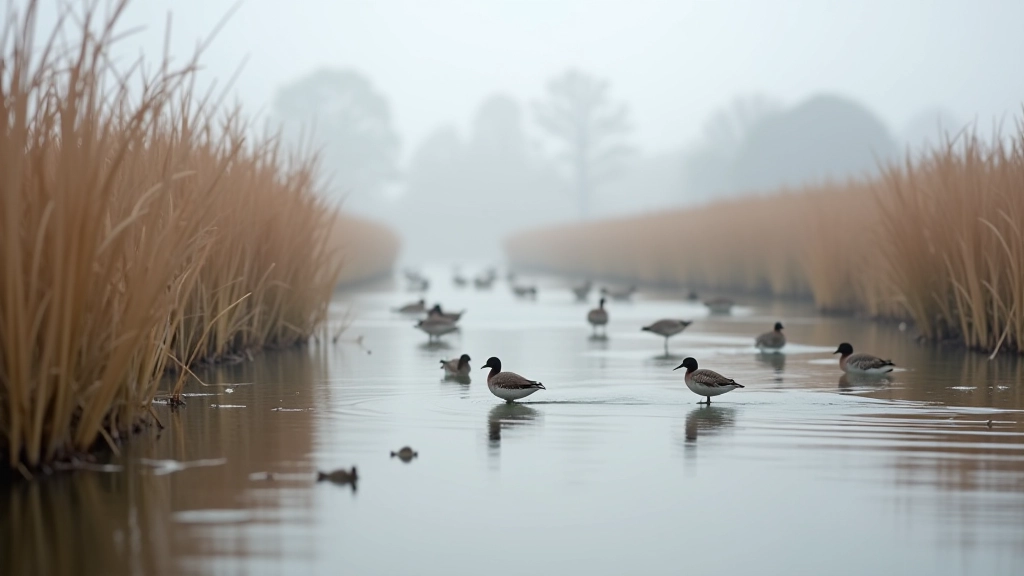
Common birds you'll see regularly at Žuvintas include great crested grebes, mallards, marsh harriers, grey herons, and various warblers in spring. You'll learn these through repetition, not memorization. After three or four visits, you'll recognize them instantly.
Don't obsess over getting every ID perfect. Even experienced birdwatchers mark some birds as "unidentified warbler" when they're uncertain. That's completely normal.


When to Visit: Seasons and Best Times
Timing matters for birdwatching, but Žuvintas is good year-round. Each season offers different species and experiences.
Spring (March to May)
This is when things get exciting. Migrating birds are passing through. You'll see warblers, flycatchers, and other passage migrants. Mornings are best — birds are active early. The reserve can get busy on weekends, so visit midweek if possible. The weather's unpredictable, so bring layers.
Summer (June to August)
Breeding season. You'll see nesting birds and families with young. Activity slows down during midday heat — dawn and dusk are prime times. Insects are abundant, which means insectivores are active. The downside? Mosquitoes. Seriously, bring repellent.
Autumn (September to October)
Another migration wave. Different species from spring, though there's overlap. The light is gorgeous in autumn. Cooler temperatures mean you can walk longer without overheating.
Winter (November to February)
Fewer species overall, but you'll see winter residents like white-tailed eagles, great grey shrikes, and various ducks. It's quieter and less crowded. Dress warmly — wind can be brutal near open water.
Practical Tips for Your First Visit
Start Early
Birds are most active in the first two to three hours after sunrise. Plan to arrive when the reserve opens. You'll see more birds and fewer people.
Move Slowly
Don't rush from one observation platform to the next. Spend time in one spot. Birds will reveal themselves if you're patient and quiet. Ten minutes of stillness beats hurried walking.
Stay Quiet
Loud voices scare birds away. Use binoculars from a distance rather than getting close. Wear soft-soled shoes. Sound travels over water, so be especially careful near the lakes.
Listen Carefully
You'll hear birds before you see them. Start learning bird calls. An app like BirdNET can help identify birds by their sound. Hearing increases your chances of spotting species.
Scan Systematically
Don't just look randomly. Scan left to right, near to far. Focus on areas where birds gather — reedy margins, dead trees, open water. These are feeding and roosting spots.
Take Notes
Write down what you see — size, color, behavior, weather. This habit builds your knowledge. Later, you can look up uncertain IDs. Your notes become your personal reference guide.
Your First Visit Awaits
Birdwatching at Žuvintas doesn't require expertise or expensive equipment. It requires patience, curiosity, and a willingness to spend time outdoors. You're not hunting for rare species or competing with serious birders. You're simply spending time in nature, observing and learning.
The reserve welcomes beginners. The trails are well-maintained. The birds are there, waiting. Start with one morning visit, bring your notebook, and see what you find. That's how everyone begins. After a few visits, you'll recognize regular species. After a season, you'll understand the rhythms of the reserve. And who knows? You might discover a passion you didn't expect.
Žuvintas is waiting. Go see what you notice.
Ready to explore more hobbies in Lithuania?
Browse All Hobbies